Foundations
End Bloated Salaries in the Nonprofit Sector
Taxpayers should not have to subsidize excessive pay for executives at charities meant to serve the public good.
Lower-income communities have stronger need for nonprofits but struggle to attract and sustain them.
An SSIR survey of nearly 2,000 leaders of nonprofits, foundations, and other charitable organizations revealed that they believe feedback is important but still struggle with figuring out how to do it.
Leaders from three San Francisco Bay Area arts organizations discuss how they are shaping both their organizations and their performances to make them more diverse and welcoming to all.
New research explores when top-down control works best in international development work, and when organizations should let employees in the field navigate challenges by using their own judgment.
A simple measurement solution exists beyond evaluation and monitoring: asking nonprofit clients to take surveys about their customer experience. Lean Data and Listen for Good show how. Part of a series produced for SSIR with the support of the Hewlett Foundation.
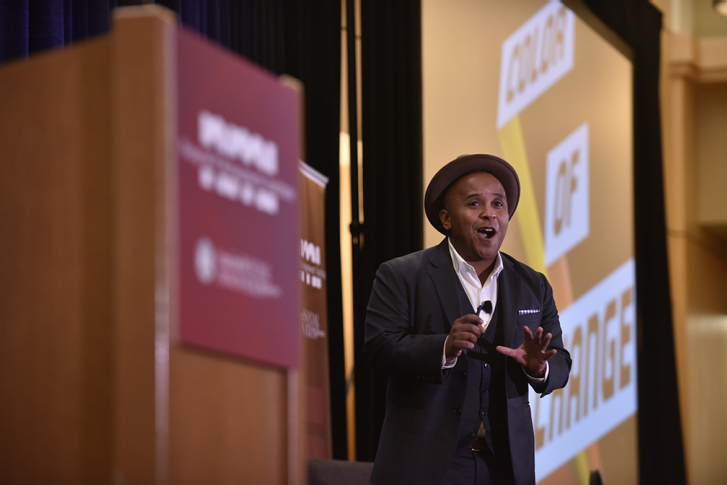
Rashad Robinson, president of Color of Change, speaks about the nature of political and cultural power and the importance of continually assessing the nonprofit sector's efforts to bring about change.
Being a courageous and ethical leader in philanthropy means learning to listen, and sharing our power by encouraging, empowering, and enabling others.
In this audio slideshow, Fay Twersky, director of the Effective Philanthropy Group at the William and Flora Hewlett Foundation, discusses how the process of collecting feedback from constituents provides a much needed third dimension to nonprofit measurement practice.
Listening to beneficiaries should be part and parcel of any initiative that seeks to help others. Part of a series produced for SSIR with the support of the Hewlett Foundation.